Our Home to Yours â Derbyshire
How to Care for Wooden Furniture: A Practical Guide
Wooden furniture is built to last â but only if you look after it. The good news is that caring for wood is not complicated. A few simple habits will keep a handmade shelf, rack, or bench looking great for years and protect it from the wear and tear of daily home life.
Understanding What Wood Needs
Wood is a natural material that responds to its environment. It expands in humidity, contracts when dry, and absorbs moisture if left wet. Understanding this helps explain why certain care habits matter. The goal is to keep wood stable, clean, and protected without overcomplicating things.
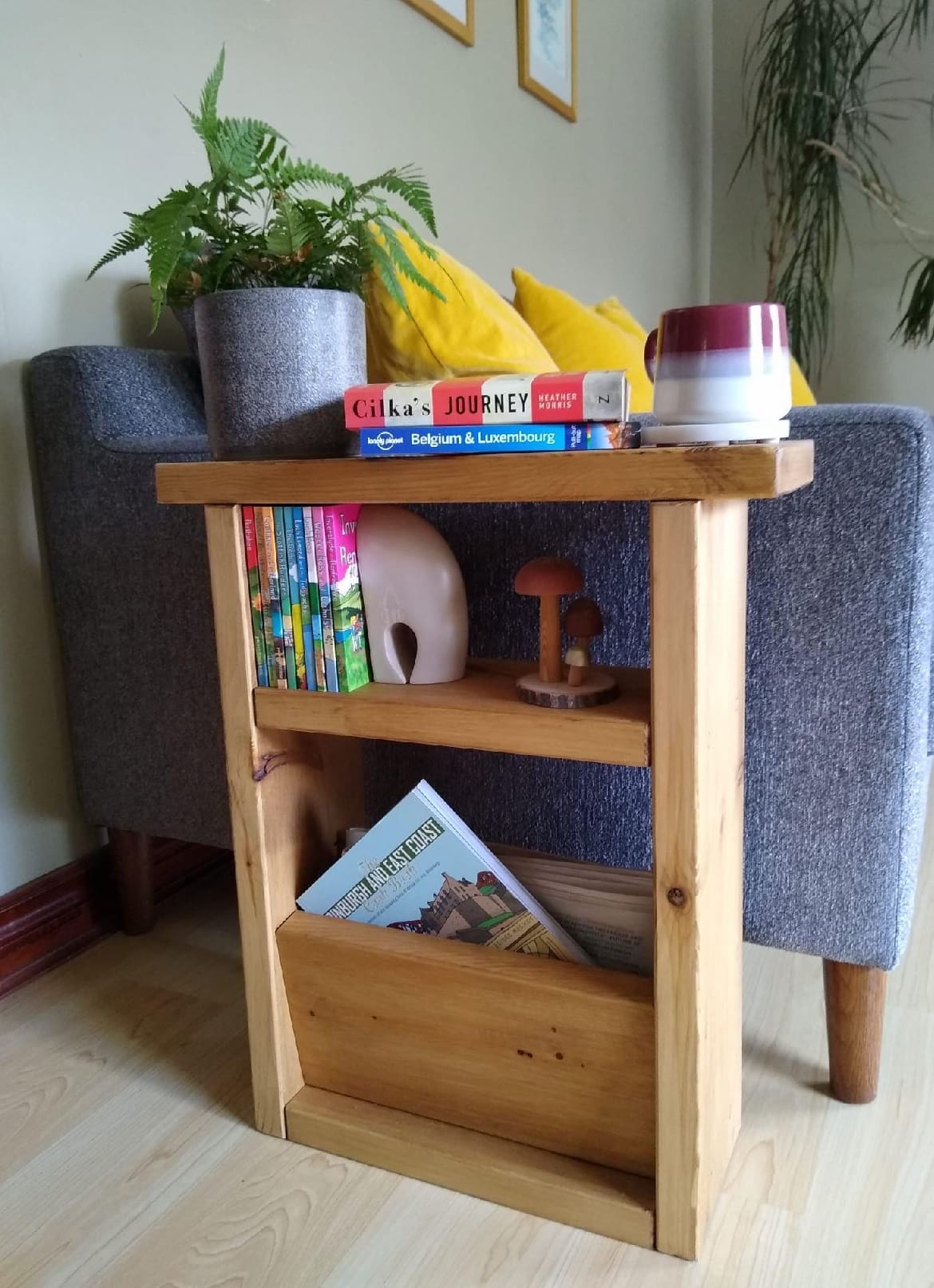
Everyday Cleaning
Dusting
Dust regularly with a soft dry cloth or microfibre duster. Dust is mildly abrasive and traps moisture against the surface, so removing it regularly is the most important thing you can do day to day.
Marks and spills
Wipe up spills straight away. Water left on wood can leave a ring or raise the grain. A barely damp cloth is usually enough for light marks. For sticky spots, a small amount of natural soap on a damp cloth works well â dry thoroughly afterwards. Avoid harsh sprays or abrasive cleaners, as these strip the finish.
Oiling and Conditioning
If your wooden furniture has a natural oil or wax finish â as most handmade pieces do â it benefits from occasional conditioning. This keeps the wood nourished and prevents it drying out.
How often?
For furniture in daily use, once or twice a year is enough. You will know it is time when the wood looks dry or dull, or when water no longer beads on the surface.
Which oil?
Danish oil, linseed oil, and beeswax are all good choices. Apply a small amount with a soft cloth, work it in with the grain, and wipe away any excess before it dries.

Tip: Test any conditioning oil on an unseen part of the piece first â underneath a shelf or on the back â before treating the whole surface.
Protecting Wood from Common Damage
Heat and sunlight
Keep wooden furniture away from direct radiators and prolonged direct sunlight. Heat dries wood out and can cause cracking or warping. Sustained UV exposure fades the finish over time. A little natural light is fine â it is sustained, direct exposure that causes problems.
Moisture
In kitchens and bathrooms, wipe down splashes promptly. A good oil finish helps protect against moisture penetration, but it will not hold indefinitely if wood is constantly wet.
Coasters and pads
Use coasters and felt pads under cups, glasses, or plant pots on wooden surfaces. Water rings are one of the most common causes of surface damage and entirely preventable.
Dealing with Scratches and Worn Patches
Small scratches are part of how wood ages and often add character. For light scratches on an oiled finish, re-oiling the area often reduces their appearance as the oil soaks in. For deeper marks, a light sand and re-oil can restore the surface cleanly.
A Note on Reclaimed Wood
Reclaimed wood brings tonal variation, knots, and the texture of aged timber. These are features, not flaws. Care is broadly the same as for new wood. Reclaimed timber is often more dimensionally stable, having already been through many cycles of expansion and contraction. A little oil now and then keeps the character coming through.
Handmade wooden furniture from Derbyshire
Our Home to Yours makes wooden storage and furniture by hand. Browse the collection or get in touch with any care questions.
Summary
Dust regularly, wipe up spills quickly, oil once or twice a year, and keep wood away from prolonged heat and moisture. A well-made wooden piece, looked after properly, will last for decades and improve with age.