
How to Care for Reclaimed Wood Shelves, Racks and Hooks
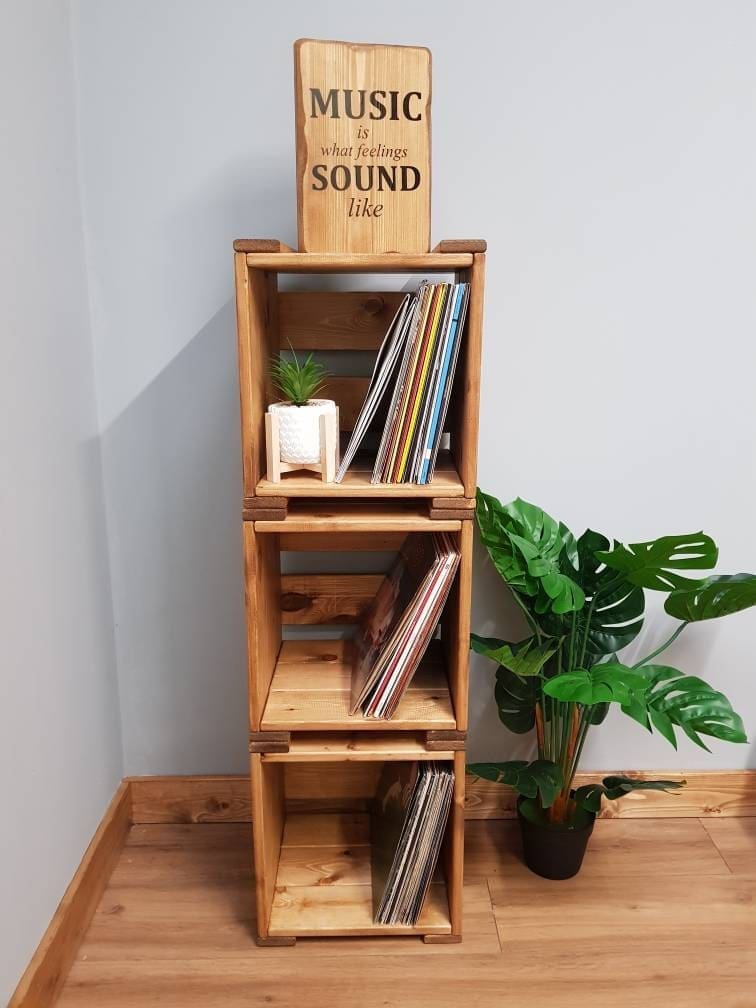
How to Care for Reclaimed Wood Shelves, Racks and Hooks
How to Care for Reclaimed Wood Shelves, Racks and Hooks
Reclaimed wood has a look that new timber often cannot copy. It brings grain, texture, knots, marks, and variation that make each piece feel individual. That is a big part of why people choose it for home storage. A reclaimed wood shelf, shoe rack, bottle rack, or coat hook can make a room feel warmer and more settled without trying too hard.
It also tends to suit the way people really live. These are not pieces that need to sit untouched in perfect rooms. They are usually chosen for hallways, kitchens, dining spaces, and living areas where storage needs to work every day. Shoes get moved on and off. Coats are hung up in a rush. Jars, bottles, towels, and small daily essentials come and go. The furniture earns its place by being useful.
That is exactly why care matters. You do not need a complicated routine, and you do not need to fuss over every small mark. Reclaimed wood should feel lived with. But a bit of sensible care helps handmade storage keep its character while staying practical and looking right in the home.
In this guide, we will look at how to care for reclaimed wood shelves, racks, and hooks, what to avoid, and how to keep these pieces looking their best in everyday spaces.
Why reclaimed wood needs a little thought
Reclaimed wood is full of character, and that is one of its strengths. The grain is often more visible. The surface can be more varied. The finish may look warmer and less uniform than mass-produced flat-pack furniture. That individuality is part of the appeal.
For Our Home to Yours, reclaimed wood is also part of the wider brand story. The business presents itself as a small family-run Derbyshire workshop making handmade furniture and storage for real homes, with a focus on practical design, warmth, and character. Products are described as handmade rather than mass-produced, and reclaimed wood is a clear part of that identity. :contentReference[oaicite:6]{index=6} :contentReference[oaicite:7]{index=7} :contentReference[oaicite:8]{index=8} :contentReference[oaicite:9]{index=9}
That does not mean reclaimed wood is fragile. It means it should be treated like a natural material rather than a wipe-clean plastic surface. A little care helps preserve the finish, keeps the wood looking settled, and stops everyday use from becoming avoidable wear.
Start with the simplest rule: keep it dry, not soaked
The best day-to-day care tip is also the simplest. When you clean reclaimed wood, use as little moisture as you can.
For most shelves, racks, and hooks, a soft dry cloth is enough for routine dusting. If the piece needs a bit more attention, a slightly damp cloth usually does the job. The key word there is slightly. You want the cloth just damp enough to lift dirt, not wet enough to soak the surface.
Too much water is not helpful for wood. It can sit on the finish, catch around joins, or leave the surface looking dull if it is not dried off properly. In everyday terms, that means no dripping cloths and no heavy spraying straight onto the wood.
Once you have wiped it down, dry it with a clean cloth. That small step is often enough to keep the piece looking good without doing anything more complicated.
Dust matters more than people think
Most reclaimed wood storage does not need deep cleaning very often. What it does benefit from is simple regular dusting. That matters because shelves, racks, and hooks are usually open storage. Dust gathers more quickly when surfaces are exposed.
In hallways, dust can mix with general household traffic. In kitchens, it can mix with light grease or steam over time. In living areas, it may just build up quietly until the piece looks duller than it really is.
A quick dry wipe every so often keeps that from happening. It is especially worth doing on the top edges of shelves, around hook bases, and on horizontal rack surfaces where dust settles first.
This is one of those jobs that is easier little and often. A fast wipe as part of your normal room tidy-up is usually enough.
Clean for the room the piece lives in
Different rooms create different kinds of wear. A reclaimed wood shelf in a hallway will need slightly different care from one in a kitchen or bathroom.
Hallway storage
Hallways tend to bring dust, knocks, damp coats, bags, and constant daily movement. Coat hooks and shoe racks often deal with the heaviest regular use, so they benefit from a simple wipe down and the odd check for marks where items rub against the wood.
Kitchen and dining storage
Shelves in kitchens may pick up light grease, steam, or food splashes. They usually benefit from more regular wiping, especially if they sit near kettles, hobs, or coffee areas. Again, the answer is not soaking the wood. It is light cleaning and drying afterwards.
Bathroom storage
If the wood is used in a bathroom, steam and moisture are the main thing to watch. Good airflow matters more here, and it helps not to leave wet items pressed against the wood for long periods.
Living room or dining room pieces
These often need the least maintenance. Regular dusting and the occasional careful wipe are usually enough.
Once you think about the room, the care routine tends to make sense quite naturally.
Avoid harsh cleaners and strong sprays
One of the easiest ways to keep reclaimed wood looking right is to avoid using the sort of strong cleaning products you might use elsewhere in the house.
Harsh sprays, bleach-based cleaners, abrasive creams, and anything heavily perfumed or very chemical can be too aggressive for a wooden finish. They are more likely to strip back the look of the surface or leave it looking flatter than it should.
If you need to clean a mark, start with the gentlest option first. Usually that means a soft cloth with a little water, followed by drying the area. In many cases, that is enough.
It is always better to clean gently and repeat if needed than to go in too strongly and regret it later.
Do not aim to remove every sign of life
This is an important one. Reclaimed wood is meant to have character. Small marks, variation in colour, grain patterns, and a slightly lived-in appearance are part of why people choose it in the first place.
That means the goal of care is not to make the piece look brand new forever. It is to keep it clean, solid, and well looked after while letting it age naturally.
That is especially true for handmade pieces used in real homes. The brand tone for Our Home to Yours is warm, practical, and honest rather than polished or overly sales-led. The products are framed as useful, characterful pieces designed to be used and lived with. :contentReference[oaicite:10]{index=10} :contentReference[oaicite:11]{index=11} :contentReference[oaicite:12]{index=12}
So if your reclaimed wood coat rack or shelf picks up the odd small sign of daily life, that is not necessarily a problem. There is a difference between normal wear and neglect. Good care is about the second one, not the first.
Be careful with wet shoes, coats, and towels
Many reclaimed wood pieces on the site are storage items for everyday rooms. That means they often come into contact with damp things. Shoe racks deal with wet soles. Coat hooks cope with rainy jackets. Towel holders may handle moisture more often than other furniture.
You do not need to panic about that, but it is worth being sensible.
If shoes are very wet, let them drip off a little before putting them straight back onto the rack. If coats are soaked through, try not to leave them pressed into one spot for long periods. If towels are hanging on a wooden holder, good ventilation helps a lot.
This is less about strict rules and more about common sense. Wood copes best when moisture is part of everyday life, not something left sitting on it over and over again.
Heat and direct sunlight can change the look over time
Like most natural wood, reclaimed timber can respond to its surroundings. Strong direct sun over long periods may affect how the finish looks across time. Heat from nearby radiators or strong kitchen heat can also be worth thinking about when placing shelves or racks.
That does not mean you need to keep wooden storage away from windows or warm rooms altogether. It just means that very intense exposure is worth avoiding where you can.
If you are choosing where to put a shelf, it helps to think about whether one side will sit in direct sun day after day, or whether the piece will be directly above a strong heat source. A little thought on placement usually saves trouble later.
Do not overload shelves or hooks
Care is not only about cleaning. It is also about how the piece is used.
A shelf, rack, or hook tends to last better and look better when it is used in a way that suits its purpose. Overloading any piece can put more strain on the wood and fittings than needed. It can also make the whole display feel cluttered and harder to enjoy.
That matters especially with wall-mounted storage. A bottle shelf full of more than it comfortably wants to hold, or a coat rack carrying too many heavy items in one section, may not perform as well over time as a piece being used sensibly.
The safest approach is the most obvious one. Use the product well, but do not try to make it do everything at once. If you need more storage, it is often better to add another piece than force one piece to carry all the pressure.
Refresh the styling as part of the care
Sometimes a reclaimed wood piece looks tired not because it is dirty, but because the things on it have built up badly. Shelves become crowded. Hooks get overloaded. Bottle racks turn into general storage. The wood disappears behind clutter.
That is why part of caring for the piece is occasionally editing what sits on it.
Take everything off. Dust the surface. Wipe it if needed. Dry it well. Then put back only what belongs there. This simple reset often makes the furniture look better straight away.
It is especially helpful for open shelving in kitchens, hallways, and drinks storage areas where items slowly multiply without much thought.
A handmade wooden piece usually looks best when it has some breathing room around it. Letting the wood show is part of what gives it warmth.
Use gentle care for kitchen shelves and racks
Kitchen storage often needs a little more attention than storage elsewhere in the home because of steam, splashes, and frequent handling. That is true for shelves, spice racks, wine racks, and bottle display pieces.
The good news is that the care is still simple. A dry or barely damp cloth, followed by drying, is normally enough. If you spot oil marks or food splashes, deal with them sooner rather than leaving them there.
It also helps to be selective about what sits on open shelves. Keeping items tidy, grouped, and not overpacked makes them easier to wipe around and easier to keep looking fresh.
This matters from a broader content point of view too. The brand’s strongest content themes include practical home use, buying guidance, care, and storage ideas that support category discovery. Care content like this is meant to help readers live with the products properly, then guide them back into relevant shop areas when useful. :contentReference[oaicite:13]{index=13} :contentReference[oaicite:14]{index=14}
Hallway pieces need practical care, not perfect care
Hallway storage often sees the hardest use in the house. That makes it a good place to keep your expectations realistic. A reclaimed wood shoe rack or coat hook does not need to look untouched. It just needs to stay clean, dry, and easy to use.
If you keep on top of dust, wipe away marks from time to time, and avoid leaving wet items sitting on the wood longer than needed, that will usually be enough. The point is not perfection. It is sensible upkeep.
That suits the brand well too. The tone of voice is grounded, practical, and calm rather than precious. The products are meant for ordinary homes and real family use. :contentReference[oaicite:15]{index=15} :contentReference[oaicite:16]{index=16} :contentReference[oaicite:17]{index=17}
What not to do
If you want the simplest list of what to avoid, it is this:
- Do not soak the wood when cleaning
- Do not use harsh sprays or abrasive cleaners
- Do not leave wet items sitting against the wood for long periods
- Do not overload shelves, racks, or hooks
- Do not place pieces where heat or strong sun will constantly catch them if it can be avoided
- Do not expect reclaimed wood to look flat and uniform like synthetic furniture
Most care mistakes happen when people treat wood like a fully sealed plastic surface. It is better to treat it as a natural material with character.
Why a little care is worth it
Handmade reclaimed wood storage is chosen because it brings warmth and individuality into the home. It can soften a hallway, make a kitchen feel more grounded, or turn a blank wall into useful storage with character. A little care protects that.
It also helps your home feel better over time. When the shelves are dusted, the hooks are not overloaded, and the shoe rack is doing its job properly, the room feels calmer. That is part of the value of useful furniture. It supports the way the home works, not just the way it looks.
For a small family-run workshop selling online, that sort of long-term usefulness matters. The site’s messaging repeatedly centres on practical handmade pieces, real-life use, and furniture designed to be lived with rather than simply displayed. :contentReference[oaicite:18]{index=18} :contentReference[oaicite:19]{index=19} :contentReference[oaicite:20]{index=20}
Our view
Caring for reclaimed wood shelves, racks, and hooks does not need to be complicated. Dust them regularly. Clean gently. Keep them dry rather than soaked. Be sensible with wet shoes, coats, and towels. Do not overload them. Let the wood keep its natural character.
That is usually enough to help handmade storage stay warm, practical, and easy to enjoy for years to come. And because reclaimed wood already has life and texture built into it, you do not need to chase a perfect finish. You just need to look after it well.
If you are choosing storage for a busy room, browse the handmade collections, explore hallway, kitchen, or drinks storage, or get in touch if you have a custom enquiry in mind.


Wooden Towel Holder Ideas for Your Bathroom
Wooden Breakfast Bar Ideas for Your Kitchen
- All Blog Post (29)
- Home Inspiration (5)
- Product Care & Tips (1)
- Wooden Storage Crate Ideas for Every Room in Your Home 28 July 2026
- How to Choose a Wooden Blanket Ladder for Your Home 23 July 2026
- Wooden Towel Holder Ideas for Your Bathroom 21 July 2026
- Wooden Breakfast Bar Ideas for Your Kitchen 16 July 2026
- How to Care for Wooden Furniture: A Practical Guide 14 July 2026