How to Choose a Wooden Blanket Ladder for Your Home
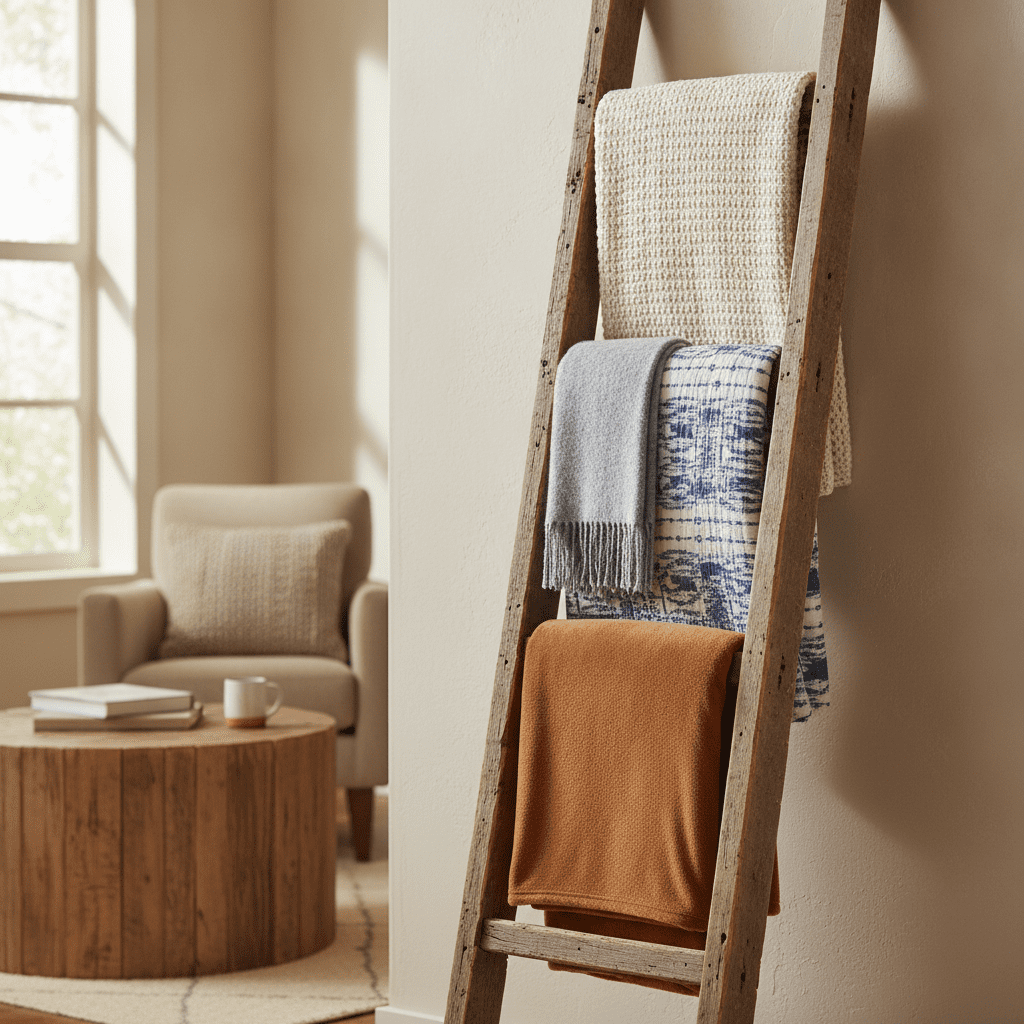
A wooden blanket ladder is one of those pieces that earns its place in a room before you even use it. Leaning casually against a wall with a few throws draped over the rungs, it looks like it has always been there. It is practical, it takes up almost no floor space, and it gives a living room, bedroom, or landing the kind of easy, lived-in quality that is quite difficult to achieve with other furniture.
But not all blanket ladders are made equal. Here is what to look for, what to avoid, and how to choose the right one for your home and the way you actually live in it.
What Is a Wooden Blanket Ladder?
A blanket ladder is exactly what it sounds like: a freestanding wooden ladder used not for climbing but for hanging and storing blankets, throws, and towels. Most versions lean against a wall rather than standing upright on their own, which means they work well in tight spaces without needing wall fixings.
They typically have between three and six rungs, stand somewhere between 150cm and 180cm tall, and vary considerably in weight and build quality. The best ones are heavy enough to stay put when draped with several thick blankets, and narrow enough to sit flush against a wall without jutting into the room.
Originally used in utility spaces and workshops, wooden ladders have found a comfortable second life as a storage and display piece in home interiors. They work particularly well with the current appetite for natural materials, relaxed layering, and furniture that feels considered rather than corporate.
Wood Type: What to Look For
The wood is the single most important factor. A well-made blanket ladder in solid timber will outlast several cheaper alternatives, and it will look better throughout its life.
Solid Timber
Ladders made from solid pine, oak, ash, or similar hardwoods are the most durable option. The weight of solid timber gives the piece natural stability — it is less likely to tip when loaded — and the grain and character of real wood ages better than any imitation. Pine is warm and relatively affordable; oak is harder and more formal; ash sits somewhere between the two in both feel and price.
Reclaimed Wood
A blanket ladder made from reclaimed timber — salvaged floorboards, beams, or workshop offcuts — brings something extra: a history you cannot replicate from new material. The marks left by previous use, the variation in grain, the colour built up over years in a previous location. This kind of piece does not need to be styled or dressed up. It arrives with character already in it.
What to Avoid
Avoid ladders described as MDF, particle board, or engineered wood. These materials flex under load, are prone to sagging between the rails, and do not age — they simply deteriorate. A blanket ladder needs to support the weight of several thick winter throws without bowing. Only solid timber does that reliably.
Size and Proportion
Height and width matter more than most people consider when buying online.
For a standard living room with 240cm ceilings, a ladder between 160cm and 180cm tall looks proportionate and gives you enough rung space for four or five throws. A shorter ladder — under 150cm — can look slightly squat in a larger room, while a very tall ladder draws the eye upward in a way that works well with high ceilings but can feel overwhelming in a smaller space.
Width is equally important. A ladder that is too narrow looks spindly and will feel unstable when loaded. Most well-made versions are between 45cm and 60cm wide — wide enough to hang a folded blanket without it bunching up, narrow enough to tuck beside a sofa or against a chimney breast without blocking traffic through the room.
The lean angle affects both stability and look. A steeper lean takes up less floor space but puts more weight on the rungs; a gentler lean gives a more relaxed, casual appearance but needs a bit more floor room at the base.
Finish and Colour
The finish on a wooden blanket ladder should complement the other wood tones in the room rather than fight against them. This does not mean everything needs to match exactly — a mix of wood tones can work very well — but a roughly similar warmth or coolness in the grain will hold a room together more comfortably.
Natural oil or wax finishes allow the grain to breathe and age gracefully. They feel more organic and less uniform than lacquer finishes, which tend to look dated faster and can chip in ways that are difficult to repair invisibly.
If you want something with a specific colour — a whitewashed finish, a grey-stained oak, a darker walnut tone — look for workshops that offer painted or stained options rather than reaching for a tin of paint yourself. A finish applied well before the piece comes to you will last longer and look better than a DIY job on bare wood.
How Many Rungs Do You Need?
Three rungs is the minimum for a functional blanket ladder. It gives you space for two or three throws and keeps the piece from looking too sparse. Five or six rungs gives you more versatility — a spare duvet, a set of guest towels, a dressing gown — but adds visual weight to the piece.
Consider what you actually plan to hang. A couple of light cotton throws need less structure than a thick wool blanket and a sheepskin throw. If you are in the habit of draping heavier items, look for ladders with more widely spaced rungs and a sturdier overall build.
Where to Position a Blanket Ladder
The beauty of a leaning ladder is its flexibility. You can reposition it without tools. A few places it tends to work particularly well:
- Beside the sofa in a living room, making spare throws immediately accessible for evenings
- In a bedroom, leaning against the wall beside the wardrobe as an alternative to a blanket box
- On a landing, where it adds visual interest to a space that can otherwise feel transitional and empty
- In a spare room, as a storage solution for guest bedding that is out in the open rather than stuffed in a cupboard
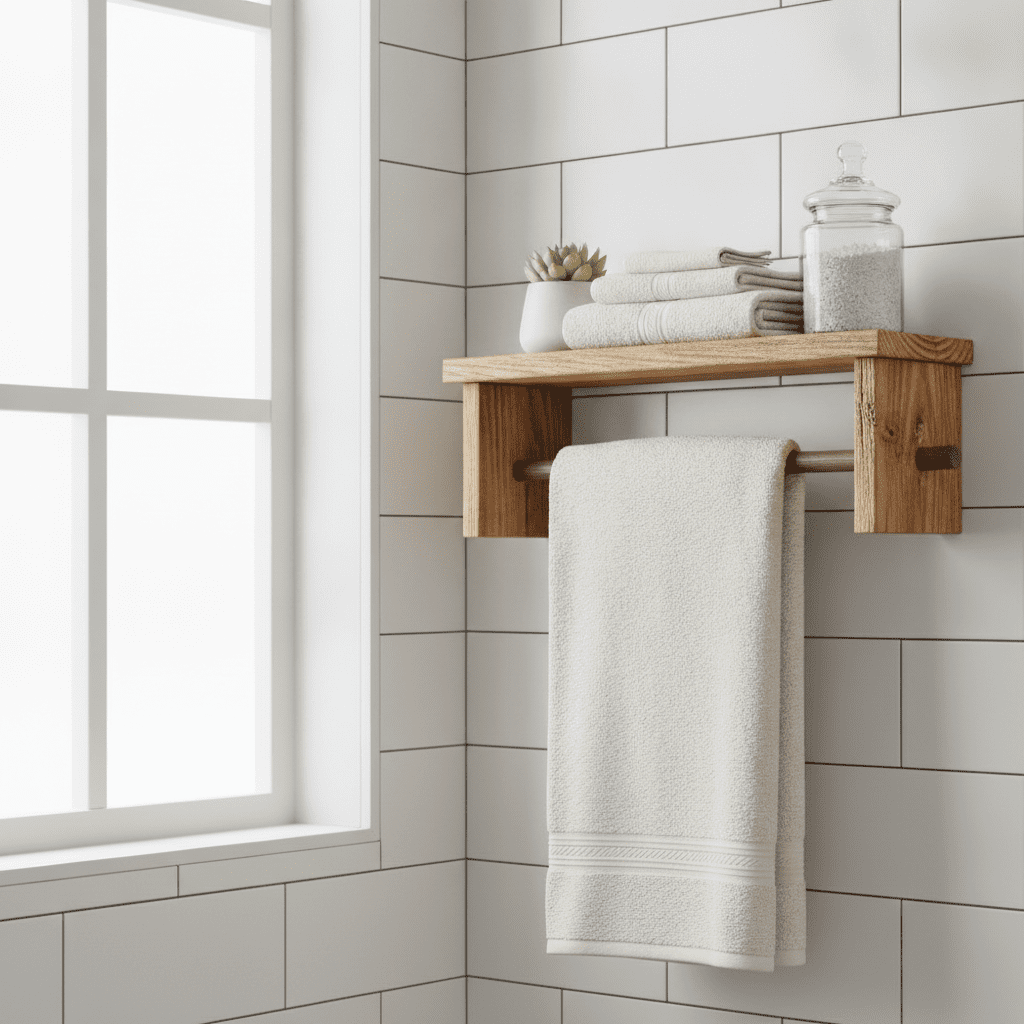
- In a bathroom, for towels — a natural extension of the same idea
One thing to avoid: positioning a ladder in a spot where it gets knocked regularly. In a narrow corridor or a high-traffic room where children run past frequently, a leaning piece is going to topple. A hook or rail would serve better in those situations.
Styling a Wooden Blanket Ladder
The most common mistake is overloading the ladder. Two or three throws, folded loosely, look considered and intentional. Five or six throws crammed on every rung look messy and will eventually pull the piece out of lean.
Textures work better than colour coordination. A chunky knit throw, a flat-woven cotton blanket, and a lighter linen layer drape differently and create visual depth without looking like a curated showroom. Let them hang naturally rather than tucking the ends in.
If the ladder is in your living room, the lowest rung is the one people tend to reach for most often. Keep your most-used throw there. The upper rungs are good for spares or for a piece you want to show off — a beautiful handwoven blanket or a heritage wool throw that deserves to be seen.
Custom Sizes and Specifications
If you have an awkward space — a narrow chimney alcove, a high-ceilinged hallway, a bedroom with sloped walls — a custom-sized blanket ladder is worth considering. The advantage of buying from a small workshop rather than a large retailer is that adjustments to height, width, rung spacing, or finish are often possible without a significant price premium.
Getting the right size from the start is almost always better than buying something standard and trying to make it work. Measure your wall space carefully, consider how the lean angle affects the footprint, and describe exactly what you need.
Browse Wooden Display Ladders
At Our Home to Yours, we make handmade wooden display and blanket ladders from solid and reclaimed timber. Take a look at what we currently have available, or get in touch about a custom piece if you have something specific in mind. Browse the ladder collection to see what we make.